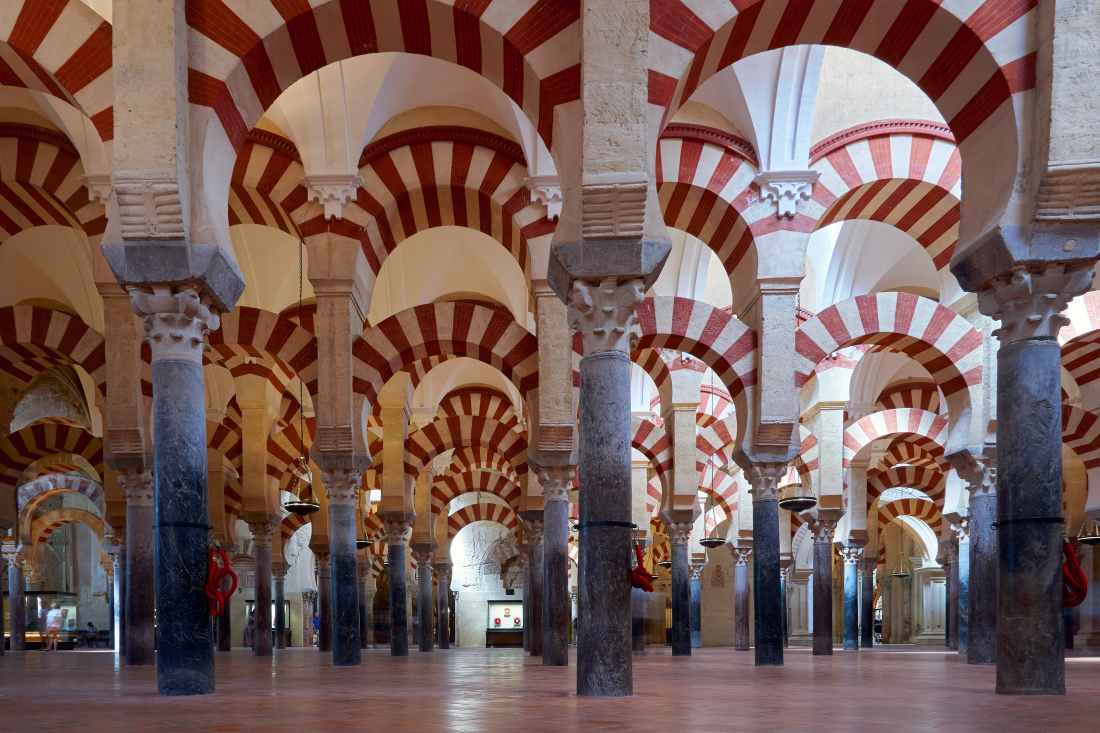
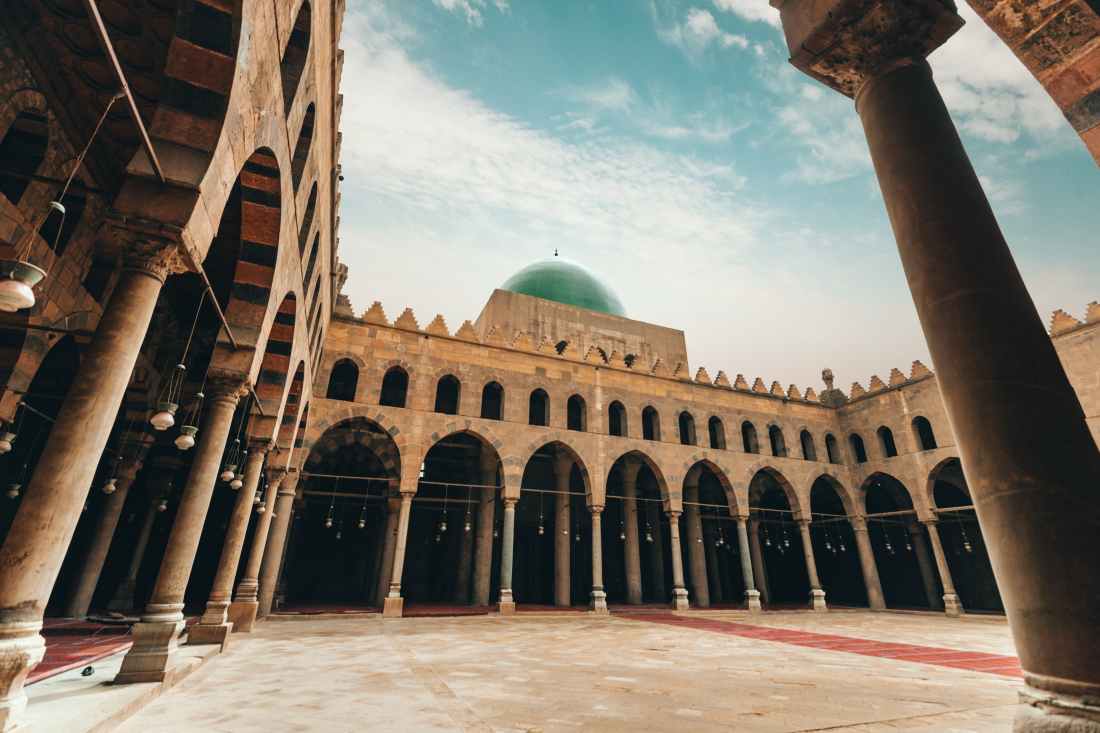
Sensing a responsibility to confront Caliph, al-Nasir regarding the excessive construction of al-Zahra (in Andalusia Spain), al-Munthir delivered a compelling sermon in the Grand Mosque. On that Friday, he ascended the pulpit with Al-Nasir present among the congregation and commenced his extraordinary Khutbah...
Category: Reforming Narratives
Scholars Who Bravely Spoke Truth to the Sultans (Part 3)
By Allāh's Grace, Abu Hanifa's scholarship and courage safeguarded the lives of Muslims in Mosul. In contemporary society, how many lives could be saved if scholars spoke truth to power and stood up for justice?
Scholars Who Bravely Spoke Truth to the Sultans (Part 2)
Imām al-Thahabi states, "Abdullāh b. Ali was a determined and oppressive monarch, known for shedding blood. However, unlike certain corrupt scholars who acquit the unjust actions of leaders and distort falsehoods as truth, Imām al-Awzā’i fearlessly spoke the truth in his presence. Some others, despite possessing the ability to elucidate the truth, choose to remain silent. May Allāh's curse be upon them."
Knowledge, Intellect and ChatGPT (Part 3 of 3)
Tragically, the modern individual ascribing intelligence to a device lacking inherent knowledge of Truth, or the capacity to discern between Truth and falsehood, exposes the stark truth that it is not the machine which has become intelligent, but rather the modern individual who is assimilating the traits of a mechanically thinking machine.
Knowledge, Intellect and ChatGPT (Part 2 of 3)
There exists a hierarchy of knowledge, where some information holds more value for humanity than others. This varies from spiritual knowledge, psychological insights, to understanding nature. In the traditional religious viewpoint, understanding man's relation with God is perceived as the most vital, followed by human interactions, and then humanity's relationship with nature. Today's society, however, has resulted in an inversion of this hierarchy.
Knowledge, Intellect, and ChatGPT (Part 1 of 3)
Materialism may furnish transient and fleeting pleasure, but much like a child who quickly tires of a new toy, human infatuation with material goods is ephemeral, leaving a lingering sense of unfulfillment.
The Loss of Balance – Christology (Part 3 of 3)
During this period, God sent his final messenger, Muhammad sala Allahu ‘alayhi wasalam to renew his covenant, revive what had been lost and salvage humanity as a whole from the calamitous decay of Christian (and Jewish) theology. The Qur’an would serve as God’s Final Testament to clarify and to preside over all that had been revealed before, while confirming the fragmentary truths that continued to exist.
The Loss of Balance – Christology (Part 2 of 3)
Emperor Constantine's participation, a pagan politician at the time provided a ‘political middle-ground’ between his Christian and Pagan subjects by effectively clothing Greco-Roman mythology with Semitic Christian names. The expression ‘Son of God’ replaced the mythological demigod or God-Emperor. The ‘Church’ became the vehicle of the state to preside over religion and faith and secular rulers began exerting extraordinary influence over ecclesiastical affairs.
The Loss of Balance – Christology (Part 1 of 3)
By the revocation of Mosaic ‘customs’, Paul’s inordinate influence above those who had met, lived and were chosen by Christ paved the way for ‘Christianity’ to become a completely distinct religion, not only severed from customs, as was Paul’s purported intention, but from the Judaic creedal texts and immutable realties that stressed the Oneness of God.
Finding Happiness: The Path to Contentment
With contentment, the shackles meticulously wrought by society to chain one down with pleasure are effortlessly taken off, allowing its wielders to free themselves from the tomb of this world, and allows them to appreciate the things that transcend it...